Vending Machine Delivery: What Freight Shipping Actually Looks Like
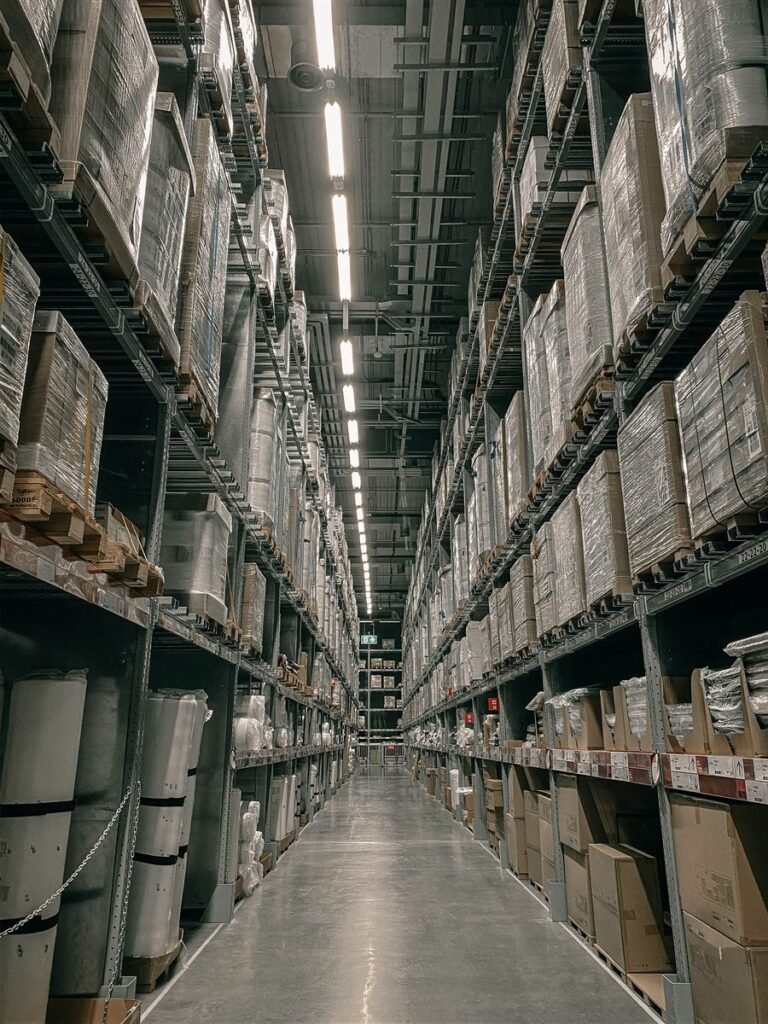
Your vending machine arrives crated on a pallet, on a full-size freight truck, and the driver will lower it to the kerb on a liftgate and leave. It does not come through your door, it does not get unpacked, and it does not get plugged in. Knowing that in advance is the difference between a smooth delivery and a bad afternoon.
Here is exactly what happens between placing the order and having a working machine.
The timeline
- Days 0 to 1. We process the order and the machine is crated and handed to the carrier.
- Days 1 to 10. LTL freight transit. Seven to ten business days is typical across the United States.
- Before delivery. The carrier calls you to book an appointment window. This is not optional, so give a phone number that someone answers.
- Delivery day. Curbside, liftgate, roughly fifteen minutes.
What LTL freight actually means
LTL stands for less-than-truckload. Your machine shares a trailer with other companies’ freight, which is why it costs $150 instead of the several hundred a dedicated truck would. It also means the machine is handled at transfer terminals along the way, which is the main reason the inspection step below matters.
The truck is large. If your site has a narrow entrance, a low bridge, a tight turning circle or no legal place for a semi to stop, say so when the carrier calls to book. Sorting that out on the phone costs nothing. Sorting it out with a driver parked across your street costs a redelivery fee.
Curbside and liftgate: what you are and are not getting
Liftgate is a powered platform on the back of the truck that lowers the pallet to ground level. Without it the machine would be sitting four feet up in the trailer with no way down.
Curbside means ground level at the delivery address. The driver’s job ends there. Moving a crated machine from the kerb into the building is yours.
Plan for that before the truck arrives. A crated machine is heavy and top-heavy once uncrated. You want a pallet jack or an appliance dolly, two people, and a clear path with the doors already propped. If your loading route has steps, arrange the labour in advance.
Inspect before you sign. This is the important part.
Signing the delivery receipt is you telling the carrier the freight arrived in good condition. Once you have signed clean, a damage claim becomes much harder to win.
So before you sign, walk all four sides of the crate and look for:
- Punctures, crushing or tears in the crate
- Corner damage, especially at the base
- A pallet that is broken or leaning
- Shrink wrap that has been cut and re-wrapped
- Any tilt or shift indicator that has been triggered
If you see damage, note it on the delivery receipt before signing. Write what you see, specifically: “crate crushed lower left corner”, not “damaged”. Photograph it while the driver is still there. That note is what makes a claim straightforward.
If the damage is significant, refuse the delivery and call us on +1 813-942-7654 straight away. Refusing a badly damaged machine is far less trouble than accepting it and arranging a return.
Concealed damage
Sometimes the crate looks fine and the machine inside is not. Uncrate and inspect within 48 hours of delivery, even if you are not installing immediately. Report anything you find to info@citysvending.com with your order number and clear photographs, and we will respond within one business day.
Leaving a crated machine untouched in a corner for three weeks is the most common way a valid claim becomes an invalid one.
Getting it running
Once the machine is in position:
- Level it. Vending machines have adjustable feet for a reason. A machine out of level will misvend, and a refrigerated one will not drain condensate properly.
- Leave clearance at the back and sides for airflow. A compressor starved of air runs hot and fails early.
- Plug into a standard 115 V outlet, ideally on a dedicated circuit for anything refrigerated.
- If it is refrigerated, let it reach temperature before loading perishables. This takes hours, not minutes.
- Load the trays, set your prices, and test-vend one item from each row.
What our shipping actually covers
- $150 flat per order to any address in the United States, including Alaska and Hawaii, shown before you pay rather than added afterwards.
- Crated LTL freight with liftgate and a booked delivery appointment, included.
- 0 to 1 business day processing, 7 to 10 business days transit.
- 30-day returns from delivery, with return freight arranged and paid by us and no restocking fee.
Full terms are on our shipping policy and return policy pages.
Before you order, check three things
One, can a full-size freight truck legally stop at your address? Two, who is moving the crate from the kerb, and with what? Three, is the outlet where you need it, and is the circuit free?
Answer those and delivery day is fifteen minutes and a signature. If you are not sure about any of them, call us before you order rather than after. Browse the range or use the machine finder to narrow it down first.