Vending Machines for Schools: Smart Snacks Rules, Machines and Placement
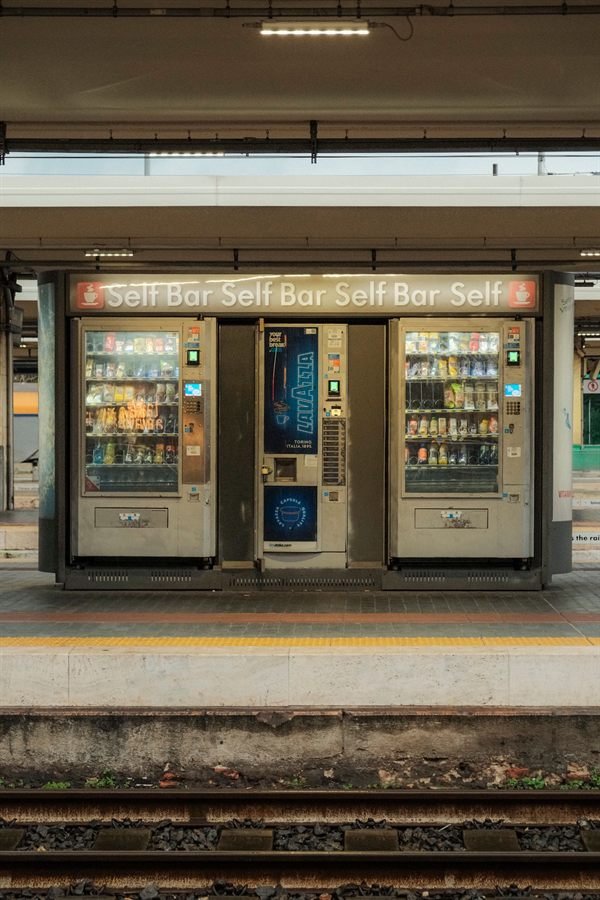
Quick answer: schools use snack, drink, combo and book vending machines, but in schools that take part in the National School Lunch or School Breakfast Program, everything a vending machine sells to students during the school day must meet the USDA Smart Snacks in School standards: for snacks, 200 calories or less, 200 mg of sodium or less, and limits on fat and sugar. The rules apply from midnight before the school day until 30 minutes after it ends, and only in areas students can reach, so a machine in a staff-only teacher lounge is not covered.
Smart Snacks rules for school vending machines
To qualify as a Smart Snack, a food must first meet a general standard (for example a whole-grain-rich grain product, or a food whose first ingredient is a fruit, vegetable, dairy or protein food) and then meet these nutrient limits:
| Nutrient | Snack | Entrée |
|---|---|---|
| Calories | 200 or less | 350 or less |
| Sodium | 200 mg or less | 480 mg or less |
| Total fat | 35% of calories or less | 35% of calories or less |
| Saturated fat | Less than 10% of calories | Less than 10% of calories |
| Trans fat | 0 g | 0 g |
| Total sugars | 35% by weight or less | 35% by weight or less |
Which drinks a school vending machine can sell
- Plain water: all grade levels.
- Low-fat and fat-free milk, and 100% fruit or vegetable juice (including juice diluted with water, no added sweeteners): up to 8 fl oz in elementary schools, up to 12 fl oz in middle and high schools.
- High schools only: no-calorie drinks (less than 5 calories per 8 fl oz, or 10 calories or less per 20 fl oz) in containers up to 20 fl oz.
- High schools only: lower-calorie drinks (40 calories or less per 8 fl oz, or 60 calories or less per 12 fl oz) in containers up to 12 fl oz.
Regular soda and full-sugar sports and energy drinks do not meet these standards, so they cannot be sold to students during the school day.
Which vending machines work in schools
- Snack machines stocked with compliant products: baked chips, whole-grain bars, nuts and seeds where allowed, dried fruit.
- Drink machines for water, milk and 100% juice in the permitted sizes; glass-front models make it easy to mix bottles and cans. See drink vending machines.
- Refrigerated machines for milk, yogurt and fruit cups; see refrigerated vending machines.
- Book vending machines run on tokens that students earn for reading goals or good behavior, a literacy reward rather than a food sale; see book vending machines.
These picks from our catalog suit common school placements:
| Best for | Machine | Selections | W × H × D | Payment | Price |
|---|---|---|---|---|---|
| Book vending, reading rewards | AMS Book Vendor 14-Selection Book Vending Machine | 14 | 39 × 72 × 35 in | Bill, Card reader, Coin | $4,289.00 |
| Book vending, larger selection | AMS Book Vendor 19-Selection Book Vending Machine | 19 | 39 × 72 × 35 in | Bill, Card reader, Coin | $4,519.00 |
| Narrow snack machine for corridors | AMS Slim Gem Snack Machine | 24 | 28.5 × 72 × 29.5 in | Bill, Card reader, Coin, Contactless/mobile | $3,499.00 |
| Combo for a cafeteria | Seaga Envision ENV5C Combo Machine | 36 | 39 × 73.5 × 36 in | Bill, Card reader, Coin, Contactless/mobile | $5,584.00 |
| Drink machine for water and juice | Seaga Envision Ultra Stack ENV10U Drink Machine | 10 | 39 × 72.5 × 33.5 in | Bill, Card reader, Coin, Contactless/mobile | $5,293.99 |
Live from our catalog on October 30, 2026. Machine price only; freight is a flat $150 per order within the United States.
44 of the machines we sell are listed as ADA compliant; the specification table on each product page shows it.
Placement and payment
Place student machines where staff can see them (cafeteria, main corridor or near the gym) and keep machines intended for adults in staff-only areas, where the Smart Snacks rules do not apply. Many students carry no card, so machines that accept coins and bills as well as a card reader suit schools; book vendors are usually set to tokens. Check your state’s rules too: some states and districts add their own limits, and in Florida, for example, food and drinks sold through machines in K-12 student dining areas are exempt from sales tax (see our Florida vending guide).
Frequently asked questions
Can schools have vending machines?
Yes. Schools in the federal school meal programs can sell food and drinks from vending machines as long as what is sold to students during the school day meets the USDA Smart Snacks standards.
Do Smart Snacks rules apply to vending machines in the teacher lounge?
No. The standards apply only to locations on campus that students can access; a staff-only lounge is not covered.
When do the Smart Snacks rules apply?
During the school day, defined as from midnight before until 30 minutes after the end of the official school day.
Can a high school vending machine sell soda?
Not regular soda. High schools may sell no-calorie drinks in containers up to 20 fl oz and lower-calorie drinks (40 calories or less per 8 fl oz) up to 12 fl oz.
Sources
- USDA Food and Nutrition Service, A Guide to Smart Snacks in School
- USDA, Smart Snacks in Schools